Ecommerce
How To Stay Motivated On Your Weight Loss Journey

Embarking on a weight loss journey is a commendable decision, but maintaining motivation throughout the process can be challenging. Whether you’re aiming to shed a few pounds or undergo a significant transformation, staying motivated is key to achieving your goals. In this comprehensive guide, we’ll explore effective strategies to help you stay motivated on your weight loss journey.
Understanding Motivation
Before delving into specific strategies, it’s essential to understand what motivation is and how it works. Motivation is the driving force that compels us to take action towards our goals. It can be influenced by various factors, including intrinsic desires, external rewards, and psychological triggers.
However, motivation is not constant. It fluctuates over time, influenced by factors such as setbacks, stress, and environmental cues. Therefore, learning how to maintain and boost your motivation is crucial for long-term success in your weight loss journey.
Setting Realistic Goals
One of the most effective ways to stay motivated is by setting realistic and achievable goals. Instead of aiming for rapid weight loss, focus on setting small, incremental goals that are attainable within a reasonable timeframe. This approach not only prevents feelings of overwhelm but also provides a sense of accomplishment with each milestone reached.
Additionally, make sure your goals are specific, measurable, and relevant to your overall objectives. For example, instead of saying, “I want to lose weight,” set a goal like, “I aim to lose 1-2 pounds per week by following a balanced diet and exercising regularly.”
Tracking Progress
Tracking your progress is essential for maintaining motivation and staying accountable. Keep a journal or use a mobile app to record your daily food intake, exercise routine, and weight measurements. Seeing tangible evidence of your efforts can be incredibly motivating and help you stay on track during challenging times.
Moreover, don’t solely focus on the scale. Non-scale victories, such as increased energy levels, improved mood, and clothing fitting better, are equally important indicators of progress. Celebrate these victories along the way to boost your motivation and confidence.
Finding Your Why
Identifying your underlying motivations for wanting to lose weight can significantly impact your ability to stay motivated. Take some time to reflect on why you embarked on this journey in the first place. Whether it’s improving your health, boosting self-confidence, or setting a positive example for your loved ones, clarifying your “why” can provide a powerful source of motivation during difficult times.
Visualizing Success
Visualization is a powerful technique used by athletes, performers, and successful individuals across various fields. Take time each day to visualize yourself achieving your weight loss goals. Imagine how you’ll look, feel, and behave once you’ve reached your desired weight. Visualizing success in vivid detail can help reinforce your commitment and keep you motivated during challenging moments.
Surrounding Yourself with Support
Having a strong support system can make a significant difference in your weight loss journey. Surround yourself with friends, family members, or online communities who encourage and uplift you. Share your goals with them, and don’t hesitate to ask for support when needed. Having someone to celebrate your successes with and lean on during setbacks can help you stay motivated and focused on your goals.
Staying Flexible and Adaptable
Flexibility is essential when it comes to staying motivated on your weight loss journey. Understand that setbacks and obstacles are inevitable, but they don’t have to derail your progress entirely. Instead of viewing setbacks as failures, see them as opportunities for growth and learning.
Be willing to adapt your approach as needed and make adjustments to your plan if certain strategies aren’t working. Remember that progress is rarely linear, and setbacks are a natural part of the journey. Stay resilient, stay focused, and keep moving forward one step at a time.
Practicing Self-Compassion
Lastly, be kind to yourself throughout your weight loss journey. Avoid harsh self-criticism and negative self-talk, as these can undermine your motivation and self-esteem. Instead, practice self-compassion and treat yourself with the same kindness and understanding you would offer to a friend facing similar challenges.
Acknowledge your efforts and progress, no matter how small, and celebrate your successes along the way. Remember that you’re on a journey towards better health and well-being, and every step forward is a victory worth celebrating.
Conclusion
Staying motivated on your weight loss journey requires commitment, perseverance, and a willingness to overcome challenges. By setting realistic goals, tracking your progress, finding your why, visualizing success, surrounding yourself with support, staying flexible, and practicing self-compassion, you can maintain motivation and achieve your desired results.
Remember that your journey is unique, and progress may take time. Stay patient, stay focused, and keep pushing forward towards a healthier, happier you. You have the power to transform your life, one healthy habit at a time.


Meta Description: Uncover the top Shopify SEO secrets that will give you a competitive edge. Boost your store’s visibility and drive organic traffic today!
Understanding the Basics of Shopify SEO
Shopify SEO, or search engine optimization, is crucial for any e-commerce business using the platform. It’s all about optimizing your online store so it ranks higher in search engine results, like Google. A higher ranking means more visibility, which leads to more potential customers finding your products. Neglecting this crucial aspect can leave your store buried beneath competitors, missing out on valuable traffic and sales.
Why Shopify SEO Matters for Your Business
Think of your Shopify store as a physical shop. SEO is like putting up eye-catching signs and advertising in the right places so people can easily find you. Without it, your store might as well be invisible. Good Shopify SEO practices ensure that when potential customers search for products you sell, your store appears among the top results. This increased visibility directly translates into more website traffic, higher brand awareness, and, ultimately, more sales.
The Key Elements of On-Page Shopify SEO
On-page SEO refers to all the actions you can take directly within your Shopify store to improve its search engine rankings. This includes optimizing your product descriptions, using relevant keywords, creating high-quality content, and ensuring your website is user-friendly. These elements tell search engines what your website is about and how valuable it is to users. A well-optimized site is easier for search engines to crawl and index, leading to better rankings.
Optimizing Product Pages for Search Engines
Your product pages are the heart of your Shopify store. Optimizing these pages is vital for attracting organic traffic. Each product page should be carefully crafted to include relevant keywords, high-quality images, and compelling descriptions that entice customers to make a purchase.
Crafting Compelling Product Descriptions
Product descriptions should do more than just list features; they should tell a story and highlight the benefits of your product. Use clear, concise language that resonates with your target audience. Incorporate relevant keywords naturally throughout the description to improve search engine visibility. Avoid generic descriptions copied from the manufacturer, as these offer no unique value to search engines or customers.
Using High-Quality Images and Alt Text
Images are essential for showcasing your products and capturing the attention of potential buyers. Use high-resolution images that accurately represent your products. Optimize these images by compressing them to reduce file size without sacrificing quality. More importantly, always add descriptive alt text to each image. Alt text not only helps search engines understand what the image is about, but also improves accessibility for users with visual impairments.
Incorporating Customer Reviews and Ratings
Customer reviews and ratings are powerful social proof that can significantly impact your store’s credibility and conversion rates. Encourage customers to leave reviews after making a purchase. Display these reviews prominently on your product pages. Positive reviews can boost your search engine rankings by demonstrating that your products are valued by real customers.
Leveraging Keyword Research for Shopify Success
Keyword research is the foundation of any successful Shopify SEO strategy. It involves identifying the terms and phrases that potential customers use when searching for products like yours. By targeting these keywords in your product descriptions, blog posts, and other website content, you can attract more relevant traffic to your store.
Identifying Relevant Keywords for Your Niche
Start by brainstorming a list of keywords related to your products and niche. Use keyword research tools like Google Keyword Planner, Ahrefs, or SEMrush to identify high-volume, low-competition keywords that are relevant to your business. Consider both broad, general keywords and long-tail keywords (longer, more specific phrases) to capture a wider range of potential customers.
Using Keyword Research Tools Effectively
Keyword research tools can provide valuable insights into search volume, keyword difficulty, and related keywords. Use these tools to analyze your competitors’ keyword strategies and identify opportunities to target underserved keywords. Pay attention to keyword trends and adjust your strategy accordingly to stay ahead of the competition.
Integrating Keywords Naturally into Your Content
Once you’ve identified your target keywords, integrate them naturally into your website content, including product descriptions, blog posts, and page titles. Avoid keyword stuffing, which can harm your search engine rankings. Instead, focus on creating high-quality, informative content that provides value to your target audience while incorporating keywords in a seamless and relevant manner.
Optimizing Your Shopify Store’s Structure and Navigation
A well-structured and easy-to-navigate Shopify store is essential for both user experience and search engine optimization. A clear site structure makes it easier for search engines to crawl and index your website, while a user-friendly navigation system helps visitors find what they’re looking for quickly and easily.
Creating a Clear and Logical Site Hierarchy
Organize your products into logical categories and subcategories to create a clear site hierarchy. This helps both search engines and users understand the structure of your website. Use descriptive category names and create internal links between related pages to improve navigation and increase search engine visibility.
Improving Site Speed for Better Rankings
Site speed is a crucial ranking factor for search engines. Slow-loading websites can frustrate users and lead to higher bounce rates, which can negatively impact your search engine rankings. Optimize your website’s speed by compressing images, minifying code, and using a content delivery network (CDN) to deliver content faster to users around the world. Consider using Google’s PageSpeed Insights tool to get personalized recommendations for improving your site speed.
Mobile Optimization and Responsive Design
With the majority of internet users now accessing the web on mobile devices, it’s essential to ensure that your Shopify store is fully optimized for mobile. Use a responsive design that adapts to different screen sizes and devices. Test your website on various mobile devices to ensure that it provides a seamless user experience for all visitors.
Harnessing the Power of Content Marketing
Content marketing is a powerful tool for driving organic traffic to your Shopify store and establishing yourself as an authority in your niche. By creating valuable, informative content that addresses the needs and interests of your target audience, you can attract more potential customers to your website.
Creating Engaging Blog Posts and Articles
Regularly publish blog posts and articles related to your products and niche. These articles should provide valuable information, address common questions, and offer helpful tips and advice. Optimize your blog posts for search engines by incorporating relevant keywords, using descriptive headings and subheadings, and adding internal and external links.
Using Video Marketing to Showcase Your Products
Video marketing is an increasingly popular way to engage with your target audience and showcase your products. Create product demos, tutorials, and behind-the-scenes videos to give potential customers a better understanding of your products and brand. Upload your videos to YouTube and other video-sharing platforms, and embed them on your product pages and blog posts.
Building an Email List for Long-Term Engagement
Building an email list is essential for long-term engagement with your customers. Offer a valuable incentive, such as a discount or free ebook, in exchange for visitors’ email addresses. Use your email list to send out newsletters, product updates, and special offers to keep your subscribers engaged and drive repeat sales.
Analyzing and Tracking Your SEO Performance
The final step in your Shopify SEO strategy is to analyze and track your performance. By monitoring your website’s traffic, keyword rankings, and conversion rates, you can identify what’s working and what’s not, and make adjustments to your strategy accordingly.
Using Google Analytics to Track Website Traffic
Google Analytics is a powerful tool for tracking website traffic, user behavior, and conversion rates. Use Google Analytics to monitor your website’s traffic sources, identify your most popular pages, and track your conversion goals. This data can help you understand how visitors are interacting with your website and identify areas for improvement.
Monitoring Keyword Rankings with Search Console
Google Search Console is another valuable tool for monitoring your website’s search engine performance. Use Search Console to track your keyword rankings, identify any crawling errors, and submit your sitemap to Google. This data can help you understand how your website is performing in search results and identify opportunities to improve your rankings.
Adjusting Your Strategy Based on Data
Regularly analyze your SEO performance data and make adjustments to your strategy accordingly. If you’re not seeing the results you want, experiment with different keywords, content formats, and optimization techniques. By continuously testing and refining your strategy, you can improve your Shopify SEO performance and drive more organic traffic to your store. Shopify SEO needs to be a continuous process, not a one-time setup.
By implementing these Shopify SEO secrets, you can significantly improve your store’s visibility, attract more organic traffic, and ultimately, boost your sales. Remember, SEO is an ongoing process that requires constant monitoring and adjustment. But with dedication and the right strategies, you can achieve long-term success and stay ahead of your competitors.
For more insights or collaboration opportunities, visit www.agentcircle.ai.

Looking to take your business to the next level? Shopify is here to revolutionize the way you sell online and in-person with our comprehensive suite of tools and services. Whether you’re a seasoned entrepreneur or just starting out, Shopify has everything you need to succeed in the world of ecommerce.
Why Choose Shopify POS?
- Seamless Integration: Our Shopify POS system seamlessly integrates with your online store, allowing you to manage your inventory, sales, and customers from one unified platform.
- Flexibility: Whether you’re selling in-store, at pop-up events, or on the go, our Shopify POS app gives you the flexibility to accept payments and track sales wherever your business takes you.
- Affordable Pricing: With Shopify POS Lite, you can get started for as low as [Monthly Cost]. Plus, our transparent pricing plans make it easy to understand exactly what you’re paying for.
- Powerful Features: From inventory management to customer insights, our Shopify POS system is packed with powerful features designed to help you grow your business.
What Sets Shopify Apart?
- Award-Winning Support: Need help setting up your POS system or optimizing your online store? Our dedicated support team is available 24/7 to assist you every step of the way.
- Shopify Plus: For high-volume merchants, our Shopify Plus pricing offers enterprise-grade solutions with additional features and dedicated support.
- Beautiful Themes: Choose from a wide range of professionally designed themes to create a stunning online store that reflects your brand identity.
Ready to Get Started?
- Sign Up: Create your Shopify account and choose the plan that best suits your business needs.
- Set Up Your Store: Customize your online store using our easy-to-use website builder. No coding or design skills required!
- Add Products: Upload your products and set prices to start selling online.
- Set Up Your POS: Download the Shopify POS app and start accepting payments in-store or on-the-go.
- Grow Your Business: With Shopify, the sky’s the limit! Use our powerful tools and resources to attract customers, increase sales, and scale your business.
Join the Shopify Community Today!
Thousands of entrepreneurs around the world trust Shopify to power their ecommerce businesses. Whether you’re selling handmade crafts, clothing, electronics, or anything in between, Shopify has everything you need to succeed.
Start Your Free Trial Now!
Sign Up Now to start your free trial and see why Shopify is the best choice for your ecommerce business. Have questions? Contact our support team for assistance. Let’s grow your business together!

About Shopify
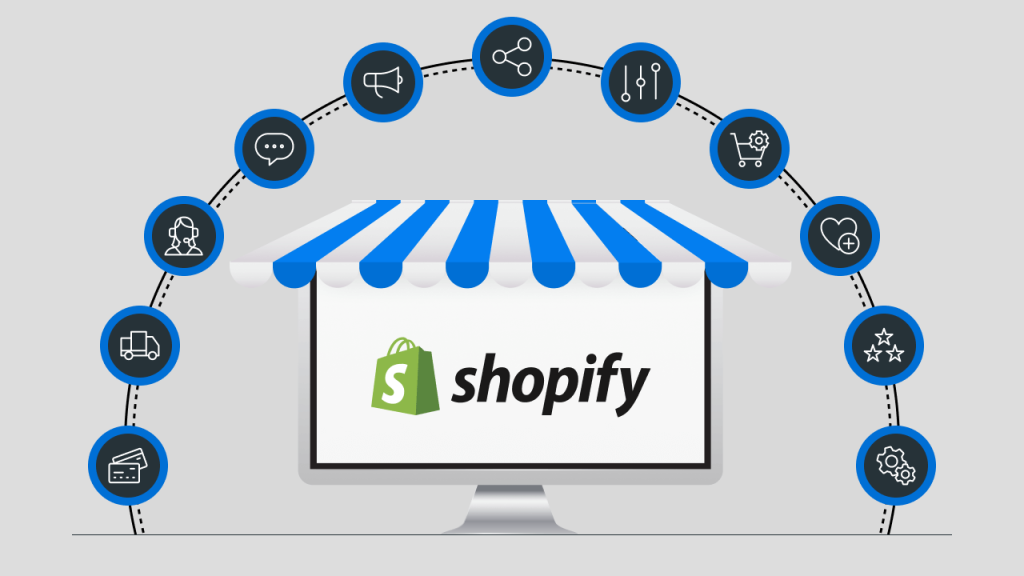
Shopify is an e-commerce platform that allows businesses to create online stores and sell products or services. It offers a user-friendly interface, customizable templates, and a range of features to help businesses succeed in online retail.
One key benefit of Shopify is its scalability. Whether you’re a small startup or a large enterprise, Shopify can accommodate your needs and grow with your business. It provides tools for inventory management, order processing, and customer relationship management, streamlining operations and enhancing efficiency.
Another advantage is its extensive app store, offering a wide variety of apps and integrations to add functionality to your store. From marketing tools to payment gateways and shipping solutions, Shopify’s app ecosystem enables businesses to tailor their online stores to their specific requirements.
Shopify also prioritizes security, providing SSL encryption, PCI compliance, and fraud prevention measures to protect customer data and transactions. This helps build trust with customers and ensures a secure shopping experience. Shopify is a versatile platform that empowers businesses to create professional-looking online stores, manage their operations effectively, and reach their target audience with ease.
How Does Shopify Work?
Shopify operates as a cloud-based e-commerce platform, providing a comprehensive suite of tools and services to help businesses set up and manage their online stores. Here’s how it works:
- Store Creation: Users sign up for a Shopify account and choose a subscription plan based on their needs. They can then create their store by selecting a customizable template from Shopify’s collection or designing their own.
- Product Management: Users can add products to their store, including images, descriptions, prices, and variants (such as sizes or colors). Shopify’s inventory management tools help track stock levels and automatically update product availability.
- Payment Processing: Shopify integrates with various payment gateways, allowing businesses to accept payments from customers securely. It supports major credit cards, digital wallets, and alternative payment methods.
- Order Fulfillment: When customers place orders, Shopify facilitates order processing, including order confirmation emails, invoice generation, and inventory deduction. Users can manage orders, track shipments, and handle returns or refunds within the platform.
- Marketing and SEO: Shopify offers built-in marketing tools such as discount codes, abandoned cart recovery, and customizable SEO features to optimize store visibility and attract more customers.
- Analytics and Reporting: Users can access detailed analytics and reports on sales, customer behavior, and store performance. This data helps businesses make informed decisions and improve their strategies.
- App Integrations: Shopify’s app store provides a wide range of apps and integrations to extend functionality, enhance marketing efforts, streamline operations, and integrate with third-party services.
Shopify simplifies the process of setting up and running an online store, providing businesses with the tools they need to succeed in e-commerce.
Shopify Features
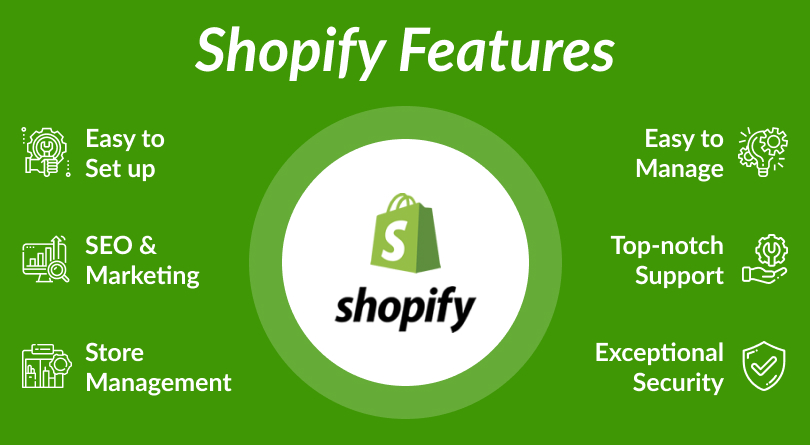
Shopify offers a comprehensive set of features to empower businesses in the e-commerce space:
- Customizable Templates: Users can choose from a wide range of professionally designed templates to create visually appealing online stores that reflect their brand identity.
- Secure Hosting: Shopify provides reliable and secure hosting, ensuring that stores are always accessible and protected with SSL encryption to secure customer data and transactions.
- Easy Store Management: The platform offers a user-friendly interface for managing products, inventory, orders, and customer information efficiently.
- Mobile Optimization: Shopify stores are optimized for mobile devices, enabling seamless shopping experiences for customers on smartphones and tablets.
- Payment Gateways: Users can accept payments from customers globally through multiple payment gateways, including major credit cards, digital wallets, and alternative payment methods.
- Shipping and Fulfillment: Shopify integrates with shipping carriers to calculate shipping rates, print shipping labels, and track shipments, streamlining the fulfillment process.
- Marketing Tools: Businesses can leverage built-in marketing tools like discount codes, email marketing, abandoned cart recovery, and SEO optimization to attract and retain customers.
- Analytics and Reporting: Shopify provides detailed analytics and reports on sales, traffic, customer behavior, and more, helping businesses make data-driven decisions to optimize performance.
- App Store: Users can enhance their stores with third-party apps and integrations from the Shopify App Store, adding additional features and functionality tailored to their needs.
- Customer Support: Shopify offers 24/7 customer support via live chat, email, and phone, ensuring users receive assistance whenever they need it.
These features collectively make Shopify a powerful and versatile platform for businesses of all sizes to create, manage, and grow their online stores successfully.
Shopify Pricing
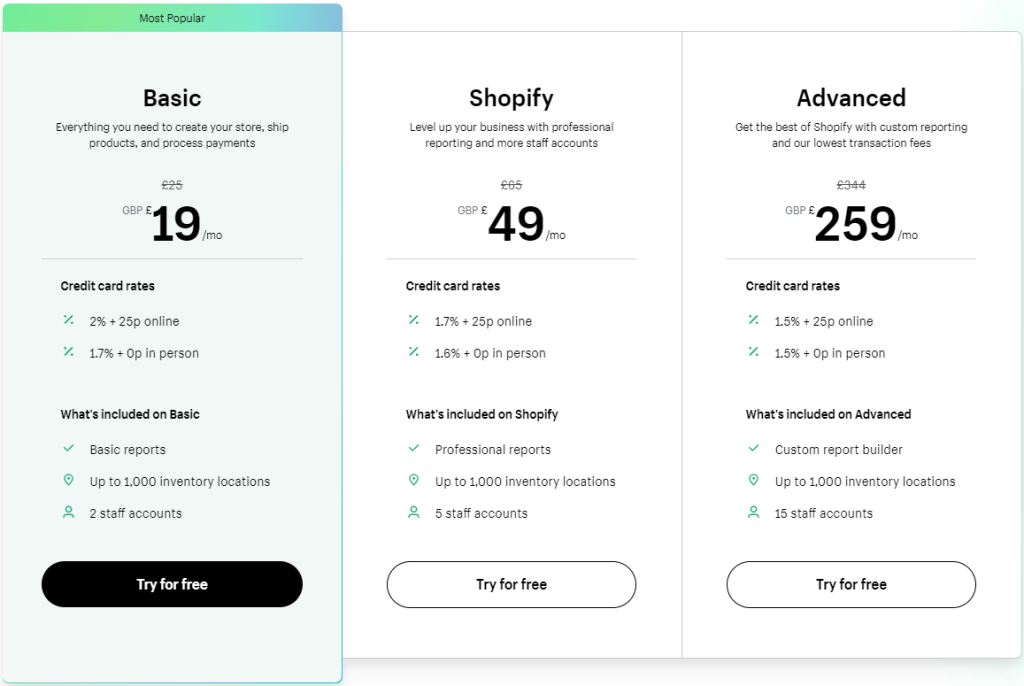
Shopify offers several pricing plans to accommodate businesses of varying sizes and needs:
- Basic Shopify: Priced at $29 per month, this plan includes essential features like online store setup, unlimited products, 24/7 customer support, discount codes, and manual order creation.
- Shopify: At $79 per month, the Shopify plan adds features such as gift cards, professional reports, abandoned cart recovery, and lower credit card rates for online payments.
- Advanced Shopify: This plan, priced at $299 per month, is designed for growing businesses and includes advanced features like advanced report builder, third-party calculated shipping rates, and up to 15 staff accounts.
- Shopify Plus: For enterprise-level businesses, Shopify offers custom pricing for the Shopify Plus plan, which includes all features from Advanced Shopify plus additional functionalities like dedicated account management, customizable checkout, and API support for custom integrations.
Additionally, Shopify charges transaction fees for online credit card rates, ranging from 2.9% + 30¢ for the Basic Shopify plan to 2.4% + 30¢ for the Advanced Shopify and Shopify Plus plans. However, users can avoid transaction fees by using Shopify Payments as their payment gateway.
Each plan also includes a 14-day free trial, allowing users to explore Shopify’s features before committing to a paid plan. Overall, Shopify’s pricing structure is flexible, providing businesses with options to choose the plan that best suits their budget and requirements.
How To Get Started With Shopify

To begin your journey with Shopify, start by visiting their website and signing up for an account. During the signup process, you’ll need to provide basic information about your business, such as your email address, store name, and industry. Once you’ve signed up, Shopify will guide you through setting up your store. This includes choosing a theme for your store’s design, adding products, setting prices, and configuring shipping options.
Next, select a pricing plan that suits your needs. Shopify offers different plans with varying features and pricing, so choose one that aligns with your business goals and budget. You can start with a free trial to explore Shopify’s features before committing to a paid plan.
After selecting a plan, configure your payment gateway to accept payments from customers. Shopify Payments is integrated by default, but you can also choose from other options like PayPal, Stripe, or others.
Customize your store settings, including taxes, shipping rates, email notifications, and checkout preferences. You can also explore the Shopify App Store to find apps and integrations that enhance your store’s functionality, such as marketing tools, analytics, and customer support.
Once everything is set up, review your store’s settings and content. When you’re ready, click “Launch” to make your store live and start selling to customers. Promote your store through digital marketing channels like social media, email campaigns, and SEO to attract visitors and generate sales. Finally, use Shopify’s analytics and reporting tools to track your store’s performance, optimize marketing strategies, and continuously grow your online business.
Benefits of Using Shopify
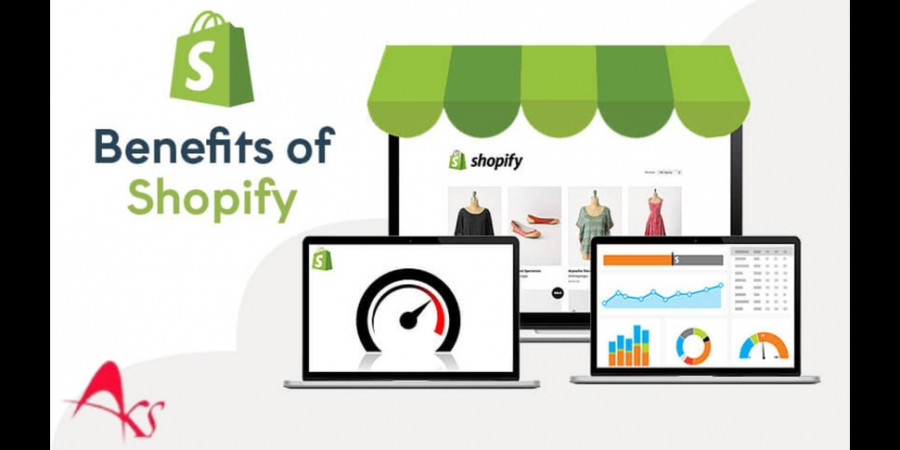
Using Shopify offers several benefits for businesses entering or expanding in the e-commerce space. Firstly, it provides a user-friendly interface that simplifies store setup and management, allowing businesses to focus on sales and growth rather than technical complexities.
Shopify’s customizable templates enable businesses to create professional-looking stores that reflect their brand identity, enhancing customer trust and engagement. The platform’s mobile optimization ensures a seamless shopping experience across devices, catering to the growing mobile market.
One of Shopify’s key advantages is its extensive app store, offering a wide range of apps and integrations to add functionalities such as marketing tools, analytics, and customer support, tailoring the store to specific business needs.
Additionally, Shopify handles essential aspects like hosting, security, and payment processing, relieving businesses of these responsibilities and ensuring a secure and reliable online presence. The platform’s scalability allows businesses to start small and expand as they grow, with flexible pricing plans and features that accommodate varying business sizes and requirements.
Moreover, Shopify provides robust analytics and reporting tools that offer valuable insights into sales, customer behavior, and store performance, empowering businesses to make data-driven decisions and optimize strategies for success. Shopify streamlines the e-commerce journey for businesses, offering convenience, flexibility, scalability, and powerful tools to help them succeed in the competitive online market.
Is Shopify Easy to Use?
Yes, Shopify is designed to be user-friendly and easy to use, making it accessible for businesses of all sizes and levels of technical expertise. Here’s why:
- Intuitive Interface: Shopify’s interface is designed with simplicity in mind, with clear navigation and organized sections that make it easy to find and manage store settings, products, orders, and customer information.
- Store Setup Wizard: Shopify guides users through the setup process with a step-by-step wizard that simplifies tasks like choosing a theme, adding products, configuring shipping, and setting up payment gateways.
- Customization Options: Users can customize their store’s design and functionality without needing coding knowledge, thanks to Shopify’s customizable templates, drag-and-drop editor, and theme customization options.
- App Store: Shopify’s App Store offers a wide range of apps and integrations that extend the platform’s functionality, allowing users to add features like marketing tools, analytics, customer support, and more with just a few clicks.
- Mobile Optimization: Shopify ensures that stores are optimized for mobile devices, providing a seamless shopping experience for customers on smartphones and tablets.
- Support and Resources: Shopify provides comprehensive support through documentation, tutorials, community forums, and 24/7 customer support via live chat, email, and phone, helping users troubleshoot issues and learn how to use the platform effectively.
Shopify’s user-friendly interface, customization options, app ecosystem, mobile optimization, and support resources make it easy for businesses to set up, manage, and grow their online stores without requiring extensive technical knowledge or experience.
Shopify Customer Service
Shopify offers robust customer service to assist users with any questions, issues, or technical support they may need during their e-commerce journey. Here are some key aspects of Shopify’s customer service:
- 24/7 Support: Shopify provides round-the-clock customer support through various channels, including live chat, email, and phone. This ensures that users can get help whenever they need it, regardless of their time zone or location.
- Dedicated Support Teams: Shopify has dedicated teams of support agents who specialize in different areas, such as technical support, billing inquiries, app integrations, and more. This allows users to get targeted assistance based on their specific needs.
- Documentation and Guides: Shopify offers comprehensive documentation, guides, tutorials, and FAQs that cover a wide range of topics related to setting up and managing an online store. These resources help users troubleshoot issues on their own and learn how to use Shopify effectively.
- Community Forums: Shopify has an active community of users and experts who share knowledge, tips, and best practices on the Shopify Community Forums. Users can seek advice, connect with peers, and find solutions to common challenges.
- Training and Webinars: Shopify conducts training sessions, webinars, and workshops to help users learn new skills, stay updated on platform updates, and optimize their online stores for success.
- App Support: For users utilizing third-party apps and integrations from the Shopify App Store, Shopify provides support for app-related issues and troubleshooting.
Shopify’s customer service is comprehensive, responsive, and tailored to assist users at every stage of their e-commerce journey, contributing to a positive and supportive experience for businesses using the platform.
Shopify Pros and Cons
Pros:
- User-Friendly Interface: Shopify offers an intuitive platform that is easy to navigate and use, even for beginners.
- Customization Options: The platform provides a wide range of customizable templates and design tools to create a unique and professional-looking online store.
- App Store: Shopify’s extensive app store offers a variety of apps and integrations to add functionalities such as marketing, analytics, and customer support.
- Reliable Hosting: Shopify handles hosting, security, and maintenance, ensuring a secure and reliable online presence for businesses.
- Mobile Optimization: Shopify stores are optimized for mobile devices, providing a seamless shopping experience for customers on smartphones and tablets.
- Payment Gateways: Shopify integrates with multiple payment gateways, allowing businesses to accept payments from customers globally.
- Scalability: Shopify scales with businesses of all sizes, offering flexible pricing plans and features to accommodate varying needs.
- Customer Support: Shopify provides 24/7 customer support via live chat, email, and phone, along with extensive documentation and resources.
Cons:
- Transaction Fees: Shopify charges transaction fees for online credit card rates, which can add to the overall cost for businesses.
- Learning Curve: While Shopify is user-friendly, there may still be a learning curve for users who are new to e-commerce or website management.
- Customization Limitations: While Shopify offers customization options, some advanced customization may require knowledge of coding or hiring developers.
- Monthly Fees: Shopify’s pricing plans include monthly fees, which may be a consideration for businesses with tight budgets or fluctuating sales.
- App Costs: While Shopify’s app store is extensive, some apps may incur additional costs, adding to the overall expenses for businesses using multiple apps.
Shopify’s pros outweigh its cons for many businesses, especially those looking for an easy-to-use platform with robust features and scalability for their online stores.
Conclusion of Shopify
Shopify is a versatile e-commerce platform that offers a compelling package of features for businesses looking to establish or expand their online presence. Its user-friendly interface, customizable templates, and extensive app store make it accessible and adaptable to businesses of all sizes and industries. The platform’s scalability and flexible pricing plans accommodate varying needs and budgets, while its robust hosting, security, and payment gateways provide a reliable and secure online environment.
While Shopify’s transaction fees and monthly costs may be a consideration for some businesses, its overall benefits such as ease of use, customization options, scalability, and 24/7 customer support often outweigh these drawbacks. Shopify empowers businesses to create professional-looking online stores, manage operations efficiently, accept payments globally, and access a wealth of tools and resources to optimize their e-commerce strategies.
In conclusion, Shopify is a top choice for businesses seeking a comprehensive and user-friendly solution for e-commerce, offering a strong foundation and ongoing support to help businesses succeed and grow in the competitive online market.
Shopify FAQs
What is Shopify?
Shopify is an e-commerce platform that allows businesses to create and manage online stores, sell products or services, and handle transactions securely.
How does Shopify work?
Shopify provides tools for store setup, product management, payment processing, shipping, marketing, and analytics, enabling businesses to run their online stores efficiently.
What are the main features of Shopify?
Shopify offers customizable templates, a wide range of apps and integrations, secure hosting, payment gateways, mobile optimization, scalability, and 24/7 customer support.
How much does Shopify cost?
Shopify offers different pricing plans starting from $29 per month for Basic Shopify, $79 per month for Shopify, $299 per month for Advanced Shopify, and custom pricing for Shopify Plus.
Can I try Shopify before purchasing?
Yes, Shopify offers a 14-day free trial that allows users to explore the platform’s features and functionalities before committing to a paid plan.
Is Shopify suitable for small businesses?
Yes, Shopify is suitable for businesses of all sizes, including small businesses. Its scalability and flexible pricing plans make it accessible and affordable for startups and small enterprises.
Does Shopify provide customer support?
Yes, Shopify provides 24/7 customer support via live chat, email, and phone, along with extensive documentation, tutorials, and community forums for self-help and learning.
Can I customize my Shopify store?
Yes, Shopify offers customization options such as customizable templates, theme editing, and app integrations to create a unique and professional-looking online store.
How does Shopify handle payments?
Shopify integrates with multiple payment gateways, including Shopify Payments, PayPal, Stripe, and others, allowing businesses to accept payments securely from customers worldwide.
Is Shopify suitable for selling physical or digital products?
Yes, Shopify supports the sale of both physical and digital products, making it versatile for businesses in various industries.
-

 Ecommerce4 years ago
StellarWP Plugin – Learndash Learning Management System Review
-

 Ecommerce4 years ago
Teachable Review : Online Course Platform
-
 Ecommerce4 years ago
Shopify Review : Shopify is the Best eCommerce Platform.
-

 Ecommerce4 years ago
Shopify Review
-

 Hosting3 years ago
The Ultimate Bluehost Review: Is It the Best Web Hosting Solution?
-
 Ecommerce4 years ago
What makes Shopify the best platform to choose for your e-commerce store?
-

 Ecommerce5 years ago
Podia Review (2022) – Is the Platform Any Good?
-

 Ecommerce4 years ago
Setting up an online store with Shopify: Advantages, Disadvantages, and Challenges